
Plan My Bay of Fundy Trip: Should You Visit in Summer or Fall?


There are two very different ways to experience the Bay of Fundy.
In summer, the coast feels energetic.
The days are longer, seasonal attractions are active, outdoor activities are easier to combine, and you can spend hours moving between beaches, viewpoints, trails, tidal experiences and small coastal communities.
Then fall arrives.
The same coastline starts to feel quieter.
The forests change colour. The air becomes cooler. Scenic drives become part of the experience rather than simply a way to get somewhere. Harvest season adds another layer to the Annapolis Valley, and the contrast between colourful inland landscapes and the rugged Fundy coastline can be spectacular.
So, if you're trying to decide between the Bay of Fundy in summer vs fall, which season should you choose?
The honest answer is:
It depends on what you want to do.
Summer is generally the stronger choice if your priority is the widest range of outdoor and seasonal activities.
Fall can be the better choice if you care more about scenery, photography, harvest experiences, comfortable sightseeing weather and a somewhat quieter atmosphere.
Tourism Nova Scotia currently describes late spring through fall as the period offering the widest range of Bay of Fundy and Annapolis Valley experiences, while specifically highlighting summer for beaches, hiking, tidal activities and wineries and fall for colourful foliage and harvest experiences.
Let's break it down properly.
Plan My Bay of Fundy Trip
When travelers ask how to plan my Bay of Fundy trip, they quickly realize there are two very different ways to experience Nova Scotia’s most dramatic coastline.
In summer, the coast feels energetic. The days are longer, seasonal attractions operate at full capacity, and outdoor activities are easy to combine. You can spend hours moving between beaches, scenic viewpoints, trails, tidal experiences, and vibrant coastal communities.
Then autumn arrives. The same coastline transforms into a quieter, highly visual escape. The surrounding forests shift to brilliant hues of red, gold, and orange, while cooler temperatures create ideal sightseeing weather. Drive along the Annapolis Valley during harvest season, and the contrast between colourful inland landscapes and rugged Fundy cliffs is nothing short of spectacular.
So, as you plan my Bay of Fundy trip, which season should you choose: summer or fall?
The honest answer depends entirely on your travel preferences:
Choose Summer if your main priorities are the widest range of outdoor adventures, long daylight hours, and family-friendly seasonal operations.
Choose Fall if you value scenic drives, autumn photography, harvest experiences, cooler hiking weather, and a quieter coastal atmosphere.
Tourism Nova Scotia currently describes late spring through fall as the ideal window for visiting the region—highlighting summer for beaches, hiking, and tidal bore activities, and fall for vibrant foliage and agricultural harvests.
Summer vs Fall at a Glance
Before getting into the details, here's the quick comparison.
Experience | Summer | Fall |
Coastal sightseeing | Excellent | Excellent |
Ocean-floor experiences | Excellent | Excellent, depending on seasonal access |
Hiking | Excellent | Excellent, with cooler conditions |
Fall foliage | No | Excellent |
Harvest experiences | Limited | Excellent |
Whale watching | Excellent | Good to excellent in early fall |
Beaches | Best for beach weather | More atmospheric than swimming-focused |
Longer daylight | Better | Shorter |
Seasonal attractions | Widest availability | Some reduced seasonal operations later in fall |
Crowds | Higher | Often lower outside peak periods |
Photography | Coastal light and long days | Foliage + coast |
Scenic drives | Excellent | Excellent |
Wineries | Excellent | Excellent, especially harvest season |
Families | Excellent | Excellent |
Couples | Excellent | Excellent |
Hiking comfort | Warm-weather conditions | Cooler, often comfortable |
Overall atmosphere | Lively | Quiet, colourful and atmospheric |
There isn't a losing season. There are simply different versions of the Bay of Fundy.
What Makes the Bay of Fundy Special in Any Season?
Before comparing summer and fall, one thing needs to be clear.
The tides don't take the summer off.
They don't disappear when autumn arrives.
The Bay of Fundy remains a tidal environment throughout the year.
The landscape continues to change dramatically as water moves in and out of the bay.
That means attractions such as Burntcoat Head Park can remain compelling beyond the peak summer season, provided the attraction is operating and conditions are suitable.
Tourism Nova Scotia recommends checking local tide tables before exploring the Bay of Fundy, particularly if you're planning to walk on the ocean floor, explore shoreline areas or participate in tidal activities.
So don't choose summer simply because you think the tides are "better."
Choose summer because of the overall collection of experiences available at that time.
And choose fall because of what fall adds to the landscape.
The Bay of Fundy in Summer
Summer is the classic season for a first visit.
The days are longer.
Outdoor attractions are generally operating at their fullest seasonal capacity.
Road trips feel easier.
And you have more opportunities to combine several experiences in one day.
Tourism Nova Scotia describes summer as an ideal time for Burntcoat Head Park, tidal bore rafting, wineries, beaches and hiking trails in the Bay of Fundy and Annapolis Valley region.
Why Summer Works So Well
Imagine starting in Halifax in the morning.
You drive toward the Bay of Fundy.
You walk across the ocean floor at low tide.
You have lunch in a small community.
Later, you hike a trail or visit a vineyard.
The sun is still high enough to make another scenic stop possible.
That's the advantage of summer.
You have time.
Not necessarily more hours in the day on the clock, but more usable daylight for
sightseeing.
Summer Is the Better Choice for Outdoor Adventure
If your trip is built around outdoor activities, summer has a strong advantage.
Depending on the location and current seasonal operations, you can build your itinerary around:
Hiking
Coastal walks
Tidal bore experiences
Kayaking
Boat tours
Whale watching
Beaches
Ocean-floor exploration
Scenic drives
Camping
Wineries
Local festivals
Tourism Nova Scotia currently lists hiking, boat tours, kayaking, whale watching and tidal activities among the major ways to experience the Bay of Fundy region.
For a first-time visitor who wants to pack a lot into one trip, summer gives you the broadest menu.
Summer Is Particularly Good for Families
Families often benefit from the longer days and greater range of seasonal attractions.
You can start earlier.
Take a break.
Continue sightseeing.
Stop for ice cream.
Walk along the coast.
And still have daylight for the drive home.
That's useful when you're traveling with children because the day doesn't have to be built around squeezing every attraction into a narrow window.
The Bay of Fundy can also become a natural science lesson without feeling like one.
Children can watch the tide change.
They can see exposed ocean floor.
They can examine rocks and tidal pools.
They can ask why the water has disappeared.
And then, a few hours later, they can see the same landscape transformed.
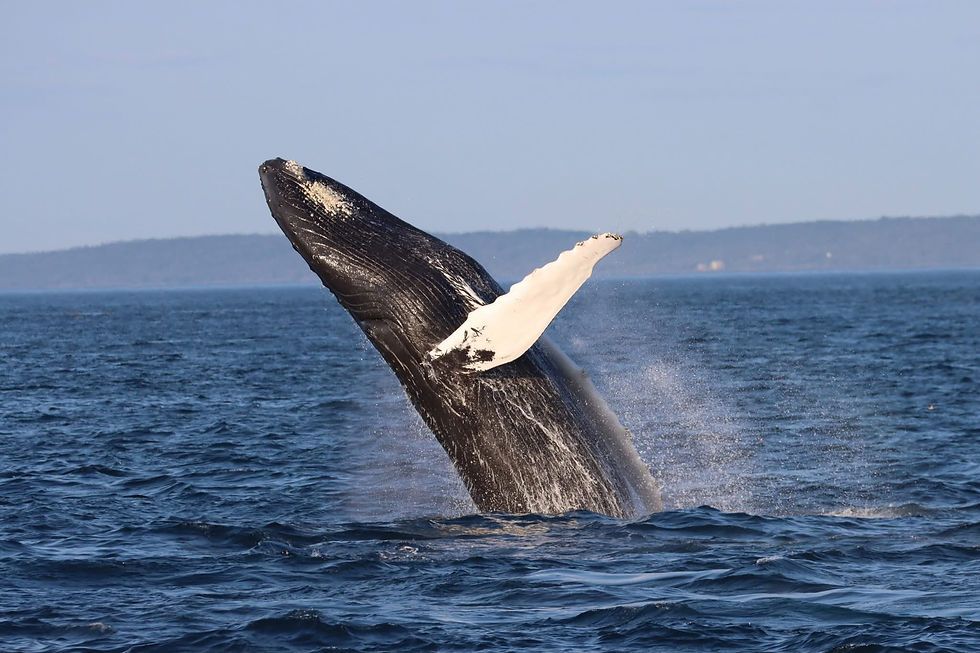
Summer Is the Stronger Choice for Whale Watching
If whale watching is one of your priorities, summer and early fall deserve special attention.
Tourism Nova Scotia currently identifies summer and early fall as the best period for whale watching in the province.
Different whale-watching locations have their own operators, schedules and seasonal patterns, so don't assume every destination works identically.
But if seeing whales is high on your wish list, I would lean toward summer or early fall rather than planning your entire trip for late autumn.
The Downside of Summer
Summer isn't perfect.
The biggest trade-off is simple:
Everyone else knows it's a great time to visit too.
Tourism Nova Scotia notes that the Bay of Fundy and Annapolis Valley region is busiest during summer and fall, with popular destinations often seeing their highest visitor numbers between late morning and mid-afternoon.
That can mean:
More visitors
Busier attractions
Higher demand for accommodations
Less flexibility at popular restaurants
More traffic around popular destinations
More advance planning
It doesn't mean you should avoid summer.
It means you should plan intelligently.
How to Make a Summer Bay of Fundy Trip Better
If you're visiting in July or August, don't automatically follow the most obvious schedule.
Instead of arriving at every popular attraction in the middle of the day, consider building your itinerary around tide times and opening hours.
Start earlier where practical.
Use quieter scenic stops between major attractions.
And don't try to visit every famous location in a single day.
A private itinerary can be particularly useful during summer because you can organize the day around your group's interests instead of trying to fit into a generic schedule.
Now Let's Talk About Fall
Fall changes the personality of the Bay of Fundy.
The ocean is still there.
The cliffs are still there.
The tides still move in and out.
But the landscape surrounding the coast begins to change colour.
The inland forests turn red, orange and gold.
The Annapolis Valley becomes associated with harvest season, wineries and local produce.
The cooler air makes many outdoor activities feel different.
And suddenly the drive between two attractions becomes part of the experience.
Tourism Nova Scotia currently describes fall as one of the province's most popular seasons, highlighting colourful foliage, harvest experiences, wineries, scenic drives and comfortable hiking conditions.
Why Fall Can Be the Better Season for Photography
If you're carrying a proper camera, or even just a phone that you love taking photos with, fall has a major advantage.
You're not limited to photographing the ocean.
You have:
Forest + cliffs + ocean + changing leaves + coastal villages.
That's a much richer colour palette.
Imagine a Fundy viewpoint with red and orange foliage behind you and the deep blue-grey Atlantic ahead.
Or a winding road through the Annapolis Valley with autumn trees on both sides.
Or a quiet harbour surrounded by colourful vegetation.
That's the kind of landscape that makes fall road trips special.
Tourism Nova Scotia notes that fall colour timing typically peaks from late September
through October, although timing varies by region, elevation and weather.
Fall Is Excellent for Scenic Drives
This is where the seasonal difference becomes particularly noticeable.
In summer, you may drive from one attraction to another because you are eager to reach the destination.
In fall, the drive itself becomes part of the attraction.
You start looking for:
Forest roads
Farm landscapes
Viewpoints
Small villages
Harbour scenes
Covered bridges
Coastal lookoffs
Red and orange hillsides
Local markets
Tourism Nova Scotia's current fall guidance specifically encourages scenic drives and highlights the combination of colourful landscapes and coastal communities.
And the Cliffs of Fundy region can be especially attractive in fall because the coastal geology is framed by autumn colour.
Fall and the Cliffs of Fundy
If you're willing to explore beyond Burntcoat Head Park, fall can be an excellent time for the wider Cliffs of Fundy region.
The Cliffs of Fundy UNESCO Global Geopark stretches along approximately 165 kilometres of Nova Scotia's upper Bay of Fundy coastline.
Tourism Nova Scotia highlights the region's cliffs, sea stacks, geological sites, trails and coastal communities.
A particularly interesting fall experience is the Parrsboro-to-Advocate Harbour area.
Tourism Nova Scotia describes the area as a place where autumn colours sit alongside the coastal landscape, with cooler temperatures suitable for outdoor adventures and seasonal events.
If your idea of the Bay of Fundy is more than just visiting one famous tidal attraction, this is where fall starts to become very compelling.
Fall Is Excellent for Hiking
There's a reason many hikers like autumn.
You aren't dealing with the same heat you might experience during summer.
The air can feel crisp.
The scenery is changing.
And the trails can become visually spectacular.
Tourism Nova Scotia identifies fall as a good season for hiking and outdoor exploration,
with cooler temperatures and colourful scenery.
However, don't confuse "cooler" with "predictable."
Weather can change quickly along exposed coastal areas.
Dress in layers.
Bring suitable footwear.
Check the forecast.
And remember that daylight becomes shorter as the season progresses.
What About Burntcoat Head Park in Fall?
This is where you need to separate the attraction from the surrounding seasonal experience.
The tides continue.
The cliffs continue.
The exposed ocean floor can still be fascinating.
But seasonal operations may differ.
Tourism Nova Scotia currently lists Burntcoat Head Park as a seasonal attraction and advises visitors to check current operating information and tide times.
So if Burntcoat is the main reason you're visiting, don't simply assume that an autumn date will have exactly the same visitor services or guided experiences as a midsummer date.
Check before you go.
Summer vs Fall: What About the Tides?
This is one of the biggest misconceptions.
There isn't a simple rule that says:
Summer = better tides
or
Fall = better tides.
The tidal cycle continues throughout the year.
What changes is the time of day when a particular tide occurs.
Tide times vary by location and date.
That's why you need the tide schedule for the exact destination you're visiting.
Tourism Nova Scotia specifically advises visitors to check local tide tables before coastal adventures.
If you're planning to walk on the ocean floor, the tide should be the foundation of your itinerary regardless of whether you're visiting in July or October.
Which Season Has Better Weather?
This one depends heavily on your personal preference.
Summer
You can generally expect warmer conditions and more comfortable temperatures for beaches and water-based activities.
That's useful if you're planning:
Beach time
Kayaking
Boat tours
Tidal bore rafting
Long outdoor days
Fall
Temperatures are cooler.
That can be excellent for:
Hiking
Scenic driving
Photography
Walking through coastal towns
Vineyard visits
Exploring without summer heat
But fall also brings more variability. A sunny October day can be gorgeous.
A windy, rainy October day can feel very different.
That's why layers matter.
Which Season Has Fewer Crowds?
This answer needs some nuance. Fall is not automatically quiet.
Tourism Nova Scotia currently notes that the Bay of Fundy and Annapolis Valley are busy during both summer and fall, particularly around harvest season and popular events.
However, late spring and late fall can provide lower visitor volumes compared with peak periods, depending on the destination and current seasonal operations.
So if your goal is:
"I want absolutely no one around."
Neither peak summer nor peak fall is the answer.
But if you choose the timing carefully — particularly outside the busiest parts of the day — you can have a much more relaxed experience.
Summer vs Fall for Couples
This one is almost impossible to answer universally. But here's how I'd think about it.
Choose summer if you want:
Long daylight
Outdoor adventures
Waterfront dining
Beaches
Boat trips
More activity choices
Choose fall if you want:
Scenic drives
Autumn photography
Wineries
Harvest experiences
Cooler hiking conditions
A more atmospheric coastal trip
For a couple who wants a slow, scenic road trip, I'd give fall a slight advantage.
For a couple who wants adventure and outdoor activities, I'd choose summer.
Summer vs Fall for Families
For families with young children, summer usually has the advantage.
Why?
Longer daylight.
More seasonal attractions.
More outdoor options.
Easier beach days.
More flexibility if one activity doesn't work out. But families with older children who enjoy hiking, photography and scenic road trips may love fall.
The choice depends less on the Bay of Fundy itself and more on your family's preferred travel style.
Summer vs Fall for Cruise Passengers
Cruise passengers have a different problem:
You don't control the entire day.
Your ship's schedule is fixed.
That means tide-dependent experiences need particularly careful planning.
If your cruise arrives during a window that doesn't align well with the low tide at your desired attraction, the season won't solve the problem.
The tide schedule matters more.
For cruise passengers, a private itinerary can be useful because the day can be designed around the actual port window, rather than assuming a generic summer or fall schedule.
And always leave a substantial return buffer.
The Bay of Fundy is worth seeing. Missing your ship isn't.
Summer vs Fall for Food and Wine
This is where fall gets interesting. The Annapolis Valley is a major food and wine region, and harvest season adds another layer to the experience.
Tourism Nova Scotia currently highlights wineries, Tidal Bay wines, farm markets, local produce and harvest experiences as major fall attractions.
So if your ideal day is:
Bay of Fundy → scenic drive → vineyard → local food → autumn scenery
I'd strongly consider fall.
Summer is excellent for wineries too.
But fall gives the entire experience a seasonal context.
Summer vs Fall for Whale Watching
If whale watching is one of your main priorities, summer and early fall are the safer choices.
Tourism Nova Scotia currently identifies summer and early fall as the best whale-watching period in the province.
This doesn't mean every whale-watching excursion operates on the exact same dates or sees the same species.
Always check the current operator schedule and location-specific conditions.
But as a general trip-planning rule:
Whale watching priority → summer or early fall.
Summer vs Fall for Hiking
If your main objective is hiking, I'd lean toward fall. Not because summer hiking is poor.
Far from it. But cooler temperatures, colourful forests and scenic coastal views can make autumn particularly rewarding.
The trade-off is daylight.
A summer hiking itinerary can comfortably extend later into the day.
In fall, plan more carefully around sunset and current trail conditions.
Summer vs Fall for Photography
If I had to choose one season purely for photography:
Fall wins.
And it isn't particularly close.
The Bay of Fundy already gives you dramatic geology and coastal scenery.
Add autumn colour and suddenly you have layers of visual interest. You can photograph:
Red cliffs
Blue water
Orange forests
Green evergreens
Fishing villages
Harbours
Vineyards
Farm fields
Fog
Sunsets
Coastal roads
Just remember that the exact foliage timing changes every year. Tourism Nova Scotia says late September through October is typically the main fall-colour period, with regional and weather variations.
A Local's Secret: Don't Chase Peak Foliage at the Expense of the Coast
Here's something worth remembering.
Travelers sometimes become so focused on finding the "perfect" fall-colour weekend that they forget what makes the Bay of Fundy special.
The trees are beautiful.
But the combination of trees and coastline is what makes this trip different.
If you're visiting during fall, don't spend the entire day inland chasing foliage.
Build an itinerary where the autumn landscape leads you toward the coast.
That's where the magic happens.
Red and gold forests behind you.
Rugged Fundy cliffs ahead.
And the tide moving through the landscape.
That's the photograph you came for.
What Should You Pack in Summer?
For a summer Bay of Fundy trip:
Comfortable walking shoes
Light jacket
Rain layer
Water bottle
Sunscreen
Sunglasses
Hat
Camera/phone
Portable charger
Extra clothes if visiting tidal areas
Insect protection where appropriate
Even in summer, coastal weather can change. Don't assume warm Halifax weather means every coastal stop will feel the same.
What Should You Pack in Fall?
Fall requires a little more thought.
Bring:
Warm layers
Waterproof outer layer
Comfortable hiking shoes
Extra socks
Gloves or light gloves for colder days
Hat
Water bottle
Camera
Portable charger
Small backpack
Rain protection
If you're walking on the ocean floor, wear footwear you don't mind getting muddy.
And if you're exploring cliffs or coastal trails, follow local safety guidance.
Tourism Nova Scotia advises visitors in the Cliffs of Fundy region to maintain a safe distance from cliff edges and bases and to plan shoreline activities around the tide.
Which Season Is Better for the Bay of Fundy?
Here's the honest answer.
Choose Summer if:
You want the widest choice of outdoor activities.
You want beaches.
You want longer daylight.
You want tidal bore rafting.
You want whale watching.
You are traveling with young children.
You want to combine several attractions.
You prefer warmer weather.
Choose Fall if:
You want spectacular scenery.
You love photography.
You enjoy scenic drives.
You want harvest experiences.
You enjoy wineries.
You prefer cooler hiking weather.
You want autumn colours.
You like a more relaxed atmosphere.
You don't mind shorter days.
My Recommendation: Pick Your Experience, Then Pick Your Season
If this is your first-ever trip to the Bay of Fundy, I wouldn't start with the question:
"Which season is objectively best?"
I'd start with:
"What do I want to remember?"
If the answer is:
"I want to walk on the ocean floor, go whale watching, try tidal bore rafting and spend long days outdoors."
Choose summer or early fall.
If the answer is:
"I want beautiful drives, autumn colours, vineyards, coastal photography and hiking."
Choose fall.
If the answer is:
"I want a little of everything."
Late summer or early fall can be a very attractive compromise, depending on the experiences and seasonal operations available on your travel dates.
A Sample Summer Bay of Fundy Day
For a summer visitor staying in Halifax, the day could look something like this:
Morning: Private pickup in Halifax
Late morning: Travel toward the Bay of Fundy
Midday: Tide-dependent experience at Burntcoat Head Park or another selected coastal location
Afternoon: Lunch and scenic exploration
Later afternoon: Additional coastal, winery or countryside experience
Evening: Return to Halifax
The exact sequence should be determined by the tide schedule rather than copied from a generic itinerary.
A Sample Fall Bay of Fundy Day
A fall itinerary can have a slightly different personality.
Morning: Private pickup in Halifax
Late morning: Scenic drive through the Annapolis Valley
Midday: Bay of Fundy coastal experience timed around the tide
Afternoon: Vineyard, farm market, historic community or scenic viewpoint
Late afternoon: Autumn photography stop
Evening: Return to Halifax
Again, the exact order depends on tide times, seasonal operating hours, weather and your interests.
Can You Combine the Bay of Fundy with Other Nova Scotia Attractions?
Yes, but be careful.
One of the easiest itinerary mistakes is trying to combine too many famous places into a single day.
For example:
Halifax + Peggy's Cove + Bay of Fundy + Lunenburg + winery
might look fantastic on a map.
In reality, you'll spend a large portion of the day in the vehicle.
A better approach is to group destinations geographically and thematically.
For example:
Bay of Fundy + Annapolis Valley
makes natural sense.
Peggy's Cove + Halifax coastal experiences
can make natural sense.
Lunenburg + Mahone Bay + South Shore
can make natural sense.
If you're considering a broader itinerary, our Nova Scotia tours can help you explore the different destination combinations.
What If You Can't Decide?
Then don't overthink it.
Choose based on your calendar.
If you can travel in July and that's when your vacation is available, visit in July.
If your trip is in October, don't assume you've missed the Bay of Fundy experience.
You haven't.
You've simply chosen a different version of it.
The Bay of Fundy isn't a summer-only attraction.
Tourism Nova Scotia currently describes the region as a year-round destination, with late spring through fall providing the widest range of experiences.
Planning Your Seasonal Bay of Fundy Trip from Halifax
This is where a private tour can make a real difference.
Your ideal itinerary may depend on:
The date you're visiting
Tide times
Season
Group size
Age of travelers
Mobility requirements
Photography interests
Food and wine preferences
Hiking interests
Cruise schedule
Available daylight
Other Nova Scotia destinations on your list
A private itinerary allows those factors to shape the day.
Instead of starting with:
"What tour do you have?"
you can start with:
"This is what we want to experience."
That's a much better way to plan a trip around the Bay of Fundy.
Experience the Bay of Fundy Your Way with Safi Seaside Tours
Whether you visit in summer or fall, the Bay of Fundy deserves more than a quick photograph from the roadside.
The tide changes.
The light changes.
The landscape changes.
And your experience can change with it.
Safi Seaside Tours can help travelers staying in Halifax build a private Nova Scotia experience around the season, tide schedule and destinations that matter most to them.
Perhaps you want Burntcoat Head Park and the ocean floor.
Perhaps you want the Bay of Fundy combined with the Annapolis Valley.
Perhaps you're visiting during fall and want a scenic drive through colourful countryside with a coastal experience included.
Or perhaps you're visiting in summer and want to combine the Bay with other Nova Scotia highlights.
The right itinerary depends on you.
Explore our Nova Scotia tours, Halifax private tours or custom private tours in Nova Scotia to start planning.
And if you're still deciding between summer and fall, don't worry too much about finding a perfect answer.
The best season is the one that matches the experience you want to have.
Safi Seaside Tours
Phone: +1 (902) 402-7263
Email: safiseasidetours@gmail.com
Frequently Asked Questions
What is the best time to visit the Bay of Fundy?
The best time depends on your preferred activities. Late spring through fall offers the widest range of experiences. Summer is especially good for outdoor activities, beaches, tidal experiences and whale watching, while fall is excellent for foliage, harvest experiences, scenic drives and hiking.
Is summer or fall better for the Bay of Fundy?
Summer is generally better for travelers who want the widest selection of outdoor and seasonal activities. Fall is particularly appealing for travelers interested in autumn colours, photography, scenic drives, harvest experiences and cooler hiking conditions.
Can you visit the Bay of Fundy in October?
Yes. October can be an excellent time to visit, particularly for fall colours and scenic coastal drives. However, foliage timing varies by location and weather, and some seasonal attractions may have reduced hours or close later in the season.
Are the Bay of Fundy tides better in summer?
No. The tides occur throughout the year. What changes is the timing of high and low tide on a particular date. Always check local tide tables for your specific destination and travel date.
Can you walk on the ocean floor in fall?
Potentially, yes, depending on the attraction, tide conditions, access and seasonal operations. Burntcoat Head Park is one of Nova Scotia's best-known places for an ocean-floor experience, but visitors should check current operating information and tide times before traveling.
Is fall a good time for hiking around the Bay of Fundy?
Yes. Fall offers cooler temperatures and colourful scenery, making it an attractive season for hiking and outdoor exploration. Check current trail conditions and daylight hours before setting out.
Is summer better for families visiting the Bay of Fundy?
Summer can be particularly convenient for families because of longer daylight and the broad range of seasonal attractions and outdoor activities. Fall can also be excellent, especially for families interested in hiking, photography and harvest experiences.
Is fall better for photography?
For many photographers, yes. Fall adds red, orange and gold foliage to the Bay of Fundy's cliffs, water and coastal communities. The exact timing of peak colour varies by region and weather.
When is whale watching best in Nova Scotia?
Tourism Nova Scotia currently identifies summer and early fall as the best period for whale watching, although exact opportunities vary by region and operator.
Is the Bay of Fundy busy in fall?
Fall can still be busy, especially during harvest season and major events. However, late fall or visiting popular attractions outside peak daytime periods can provide a quieter experience.
Can I visit the Bay of Fundy from Halifax in one day?
Yes. A one-day trip can work, especially when you choose a specific area and plan around its tide schedule. Burntcoat Head Park is one of the most practical choices for a tide-focused day trip from Halifax.


Comments