
The Best Time for Whale Watching in Nova Scotia: A Month-by-Month Honest Guide


If seeing a whale in the wild is somewhere on your Nova Scotia wish list, there’s one question you should answer before you book anything:
When should you actually go?
The answer isn't simply “summer.”
Nova Scotia's whale-watching season generally stretches from late spring into fall, but each part of the season has a slightly different character. June can offer an exciting start to the season. July and August bring peak summer activity. September can combine whale watching with quieter coastal travel and the first signs of autumn. October can still offer marine wildlife opportunities in some areas, but seasonal operations become more limited.
And then there’s the question of where you're going.
Whale watching around Digby Neck and Brier Island in the Bay of Fundy has a different seasonal pattern and experience from whale watching along Cape Breton's coast.
So if you're wondering about the best time for whale watching in Nova Scotia, don't just look at a single month.
Look at the entire season. Here's what each month can realistically offer.
When Is Whale Watching Season in Nova Scotia?
Nova Scotia's whale-watching season generally runs from late May through October, depending on the region and individual operator.
Tourism Nova Scotia currently identifies June through August as peak whale-watching months around the Bay of Fundy, while summer and early fall are broadly considered the strongest period for marine wildlife viewing.
Popular whale-watching regions include:
Digby Neck
Brier Island
Long Island
Tiverton
East Ferry
Cape Breton Island
Pleasant Bay
Chéticamp
Ingonish
Cape North
The exact operating period varies from one operator to another. That distinction matters. A statement such as “whale watching runs until October” doesn't mean every boat operates every day throughout October. Before booking accommodation, transportation or a private tour around whale watching, check the specific operator's current schedule.
Whale Watching in May: The Beginning of the Season
May can be an interesting month for travellers who prefer the beginning of the season and fewer summer crowds.
But it isn't the month I'd automatically recommend if your number-one priority is maximizing your chances of seeing whales.
Some whale-watching operations begin later in May, while others don't start until June.
Tourism Nova Scotia currently describes the broader Nova Scotia whale-watching season as beginning in late May, but exact dates vary by region and operator.
What May Can Be Good For
May can be appealing if you want:
Quieter coastal communities
Spring scenery
Fewer visitors
A more relaxed road trip
The beginning of marine wildlife activity
A chance to experience Nova Scotia before the summer rush
However, availability can be more limited than during the heart of summer.
The Honest Answer
Would I choose May specifically for whale watching?
Only if you're already visiting Nova Scotia during this period and find a suitable whale-watching experience operating on your dates.
If whale watching is the main reason you're travelling, I'd look toward June or later.
Whale Watching in June: The Season Starts to Get Exciting
June is one of the most interesting months for whale watching in Nova Scotia.
The season is properly getting underway, and the Bay of Fundy becomes an increasingly attractive destination for marine wildlife viewing.
Tourism Nova Scotia identifies June through August as the peak sighting period for the Bay of Fundy, with tours operating from places such as Digby Neck, Tiverton and Brier Island.
In the Brier Island area, Tourism Nova Scotia currently notes that finback and minke whales can arrive earlier in the season, with humpbacks returning in June.
That's one reason June can be a particularly appealing month.
Why Choose June?
You may get a combination of:
Strong whale-watching opportunities
Longer daylight hours
Coastal sightseeing
Spring-to-summer landscapes
Fewer peak-season crowds than July and August
More availability at some accommodations
The weather can still be changeable, though. Don't pack exclusively for summer temperatures. The water and wind can make a whale-watching boat feel considerably cooler than the conditions on land.
Our Take
June is one of the best months to consider if you want whale watching without travelling during the busiest part of summer.
Whale Watching in July: Peak Summer Energy
July is when Nova Scotia feels fully awake. The coastal roads are busy. Restaurants and seasonal businesses are operating. Tourism is in full swing. And whale-watching tours are firmly within the main summer season. For many visitors, July is an excellent month for a first Nova Scotia whale-watching trip. Tourism Nova Scotia identifies July and August as the busiest tourism months across the province, while its whale-watching guidance places June through August among the strongest months for Bay of Fundy sightings.
Why July Works So Well
If you're planning a larger Nova Scotia itinerary, July gives you plenty of options beyond whale watching.
You can combine marine wildlife with:
Peggy's Cove
Lunenburg
Mahone Bay
Annapolis Valley
Bay of Fundy experiences
Halifax
Digby
Cape Breton
Coastal drives
Seafood experiences
This makes July particularly useful for travellers who don't want their entire trip to revolve around one activity.
The Downside?
Crowds. Popular attractions, accommodation and whale-watching departures can be busier. If your trip falls during July, book important experiences ahead rather than assuming you'll find space when you arrive. Tourism Nova Scotia specifically recommends advance reservations during the busiest summer period in Digby & Islands.
Our Take
July is one of the safest all-round choices for a classic Nova Scotia whale-watching holiday.
But it's not necessarily the best choice for travellers who dislike crowds.
Whale Watching in August: Classic Nova Scotia Summer
August is another strong month for whale watching.
The weather generally feels like summer, coastal communities are active and whale-watching operators are in the heart of their seasonal schedules.
If you're travelling with family, August can be particularly convenient because you can combine whale watching with a broad range of other outdoor experiences.
Why August Works
August is a good fit if you want:
Whale watching
Coastal sightseeing
Longer daylight
Seafood
Hiking
Island exploration
Family-friendly travel
A full selection of seasonal attractions
Tourism Nova Scotia describes summer as the season with the greatest choice of activities and services, although it also brings the largest crowds.
What Should You Watch Out For?
Availability.
A whale-watching trip might be the experience you remember most from your Nova Scotia holiday, so don't leave it until the last minute if your travel dates are fixed. Also leave some flexibility in your schedule. Marine conditions can change. Weather can change. And wildlife doesn't follow your itinerary.
Our Take
August is excellent for travellers who want the full Nova Scotia summer experience and don't mind a busier atmosphere.
Whale Watching in September: The Month Many Travellers Overlook
Now we get to one of our favourite questions:
Is September a good time for whale watching in Nova Scotia?
Yes.
Very much so.
September can be an excellent compromise between the busy summer season and the quieter feel of autumn.
Tourism Nova Scotia describes late summer and early fall as strong periods for whale watching, while September also begins to bring more comfortable conditions and fewer visitors than the peak summer months.
And there's another advantage.
The landscape begins to change.
The air feels different.
The light gets softer.
The first hints of autumn begin appearing across the province.
You can still have a coastal summer experience while starting to experience Nova Scotia's fall character.
September Is Especially Good For:
Couples
Photographers
Empty nesters
Slow travellers
Road trippers
Private tours
Travellers who dislike peak-season crowds
What About Whales?
Whale-watching opportunities continue into September in several parts of Nova Scotia.
Current Tourism Nova Scotia listings show a number of Bay of Fundy and Cape Breton whale-watching operators operating through September, although exact dates vary.
Our Take
If we had to recommend one month for a traveller who wants a balance of whale watching, scenery, comfort and fewer crowds, September would be very high on the list.
Whale Watching in October: Can You Still See Whales?
Yes — but this is where you need to be more careful with planning. October can still be part of Nova Scotia's whale-watching season. Tourism Nova Scotia describes the broader season as extending into October, and some operators currently list October departures.
But October is not the same as July or August.
Seasonal businesses begin reducing operations. Some whale-watching operators finish earlier in the month. Weather can become more unpredictable. And the days are shorter.
Why Visit in October?
Because Nova Scotia in October can be beautiful.
You may combine whale watching with:
Fall foliage
Scenic drives
Coastal photography
Harvest experiences
Seafood
Quieter communities
Hiking
Tourism Nova Scotia notes that September and October are popular for fall colours, harvest experiences and comfortable temperatures, although exact foliage timing varies by location and year.
The Important Rule
Check the exact whale-watching operator schedule before building your itinerary.
Don't assume that because an operator operated in October last year, the same schedule applies to your trip.
Our Take
October can work beautifully for a combined fall-and-whale-watching trip, but it's not the month we'd choose for a whale-only holiday without checking availability first.
So, What Is the Best Month for Whale Watching in Nova Scotia?
If you want the short answer:
Month | Whale Watching Potential | Crowds | Best For |
May | Beginning of season | Lower | Early-season travellers |
June | Excellent | Moderate | Wildlife + quieter travel |
July | Excellent | High | Classic summer trip |
August | Excellent | High | Families + full summer experience |
September | Excellent | Moderate/lower | Couples + photographers + slow travel |
October | Good, but more variable | Lower | Fall scenery + whale watching |
The most important thing to understand is that there isn't one universally perfect month.
The best time for whale watching in Nova Scotia depends on what else you want from your trip.
If whales are your absolute priority, consider the main summer and early-fall season.
If you want fewer crowds, consider June or September.
If you want fall colours and marine wildlife together, look at September into October.
If you're already travelling in May, check what is operating on your exact dates rather than ruling whale watching out completely.
Best time for whale watching in Nova Scotia
The best time for whale watching in Nova Scotia generally runs from late spring through October, depending on the region and the specific operator. Rather than looking for a single universally perfect month, the ideal time depends on what you want out of your overall journey:
June: An exciting start to the season when the Bay of Fundy comes alive. Humpbacks return alongside finback and minke whales, offering strong viewing opportunities with fewer peak-summer crowds and longer daylight hours.
July and August: The peak summer season. These months deliver full activity, bustling coastal communities, and excellent marine wildlife viewing, though they also bring the largest crowds and busiest travel schedules, making advance bookings essential.
September: A favourite among travellers looking for a balanced experience. It combines continued marine activity with softer light, changing autumn scenery, comfortable temperatures, and fewer visitors.
May and October: Best for early-season or late-season travellers who prefer quieter coastal villages and scenic foliage, though weather and seasonal operator schedules can be more limited or unpredictable.
To make the most of your trip, avoid rushing a whale-watching excursion as a simple afternoon stop. If you are heading out to destinations like Digby Neck or Brier Island, build your day and ferry connections around your departure time, and leave enough breathing room to truly enjoy the maritime coastline.
What Is the Best Time for Whale Watching Around Digby and Brier Island?
The Bay of Fundy around Digby Neck and Brier Island is one of Nova Scotia's most important whale-watching regions.
Tourism Nova Scotia currently identifies June through October as the main operating period for tours in this area, with humpbacks particularly associated with the region.
The exact season differs between operators.
For example, current Tourism Nova Scotia listings show Brier Island operators with different seasonal windows, demonstrating why travellers should check the specific departure they're considering rather than relying on a single province-wide date.
This is particularly important if you're planning a private Nova Scotia itinerary.
A whale-watching departure time may determine:
When you leave Halifax
Whether you stay overnight in Digby
When you travel along Digby Neck
When you use the ferries
Where you have lunch
Which attractions you can visit before or after the cruise
In other words:
Book the whale watching first. Build the day around it.
What Is the Best Time for Whale Watching in Cape Breton?
Cape Breton offers another major whale-watching region.
Tourism Nova Scotia currently identifies areas including Pleasant Bay, Chéticamp, Ingonish and Cape North as whale-watching destinations, with operators generally running from late spring through fall.
This can work particularly well if you're already planning a Cabot Trail journey.
Instead of driving the entire route and trying to fit whale watching into an unrelated day, you can make the wildlife experience part of your Cape Breton itinerary.
For example:
Halifax → Annapolis Valley → Cape Breton → Cabot Trail → Whale Watching → Ingonish → Halifax
Or, for a longer journey:
Halifax → Lunenburg → Digby → Bay of Fundy → Cape Breton → Cabot Trail → Whale Watching
The second option is much slower. And that's exactly the point.
Should You Plan Your Nova Scotia Trip Around Whale Watching?
If whale watching is one of your top three reasons for visiting Nova Scotia, yes.
Don't treat it as a spare afternoon activity. Build your itinerary around the experience.
This is especially important when travelling to Brier Island because of the additional travel and ferry connections involved.
Tourism Nova Scotia specifically advises travellers heading to Brier Island or Tiverton to account for ferry connections and plan dining and rest stops so they don't miss their cruise.
That's a very practical point. A map might make the route look simple. But coastal travel has its own rhythm. A ferry doesn't wait because you were taking photographs.
A whale boat doesn't necessarily wait because you stopped for a long lunch.
Give yourself breathing room.
The Biggest Mistake First-Time Whale-Watching Travellers Make
They try to do too much. They'll say:
“We'll leave Halifax early, see Peggy's Cove, drive to Digby, do whale watching, visit Brier Island, have dinner, and drive back.”
Technically, a map may make that look possible. But travel isn't a spreadsheet. You need time for:
Traffic
Ferries
Check-in
Weather
Meals
Photographs
Unexpected stops
Rest
The actual experience
If you're travelling all the way to the Bay of Fundy for whales, don't spend the day staring at the clock.
Give the coastline some time.
A Better Way to Plan a Whale-Watching Day
Instead of starting with:
“What can we fit into this day?”
Start with:
“What experience matters most?”
If whale watching is the priority:
Step 1: Choose the region
Digby Neck and Brier Island?
Or Cape Breton?
Step 2: Choose the month
June?
July?
August?
September?
October?
Step 3: Choose the operator
Look at:
Departure point
Vessel type
Duration
Operating dates
Weather policy
Accessibility
Booking requirements
Step 4: Build your route
Only after you know the whale-watching departure time should you add other activities.
Step 5: Leave breathing room
This is the part many itineraries miss.
Don't make every hour count.
Let the day breathe.
A Local's Secret: September Deserves More Attention
If someone asked us for one month that balances several priorities beautifully, we'd tell them to seriously consider September.
Why?
You can still experience the main whale-watching season.
The summer rush begins to soften.
Coastal communities remain active.
The scenery starts transitioning toward fall.
And the experience can feel less like a race through Nova Scotia's biggest attractions.
For couples and private travellers especially, September can be a wonderful time to slow down.
Imagine spending the morning on the water, watching for humpbacks.
Then having a relaxed seafood lunch.
Then driving along the coast without trying to check five attractions off a list.
That's a very different kind of Nova Scotia holiday.
And sometimes it's the better one.
What Should You Pack for Nova Scotia Whale Watching?
Regardless of the month, prepare for the water rather than simply the land.
Bring Layers
Coastal temperatures can feel different from inland conditions.
Bring a Waterproof Outer Layer
Even on a pleasant day, sea spray and wind are possibilities.
Wear Comfortable Shoes
Choose footwear suitable for boats, docks and coastal stops.
Bring Sun Protection
Cloudy weather doesn't mean you can't get sun exposure.
Bring Binoculars
A good pair can make distant wildlife much easier to appreciate.
Bring Your Camera
But don't watch the entire cruise through a screen.
Some moments are better experienced directly.
Prepare for Motion
If you're prone to motion sickness, talk with your doctor or pharmacist about appropriate precautions before travelling.
Tourism Nova Scotia also recommends preparing for potentially rough ocean conditions and following operator guidance.
Does Weather Affect the Best Time for Whale Watching?
Yes.
And this is one reason you shouldn't think only in terms of month.
A beautiful August day doesn't guarantee perfect conditions on the water.
Likewise, a cooler September day can still produce a memorable marine experience.
Weather and sea conditions can affect:
Departure
Comfort
Visibility
Route
Wildlife activity
Whether a cruise operates
Always check the operator's current instructions before departure.
And if you're building a private itinerary, leave some flexibility where possible.
Can You Guarantee a Whale Sighting?
No responsible traveller should expect a guarantee unless a specific operator explicitly offers one under its own terms.
Whales are wild animals.
Their movements depend on food, weather, water conditions and behaviour.
A particular trip might produce several sightings.
Another might produce fewer.
That uncertainty isn't a flaw.
It's what makes wildlife watching different from visiting a scheduled attraction.
The goal isn't to make nature perform.
The goal is to enter its environment respectfully and be ready when something extraordinary happens.
Is Summer or Fall Better for Whale Watching?
This is one of the most useful comparisons.
Choose Summer If You Want:
The widest selection of activities
Long daylight hours
Peak-season tourism
Lots of restaurants and attractions open
A classic Nova Scotia vacation atmosphere
Family travel
Choose Fall If You Want:
Fewer crowds
Cooler conditions
Coastal photography
Fall colours
A quieter atmosphere
Whale watching combined with autumn scenery
Tourism Nova Scotia notes that summer offers the greatest choice of activities and services but also the largest crowds, while fall brings colourful scenery and generally lower visitor volumes.
There isn't a wrong choice.
There's just the choice that fits your travel style.
Can Whale Watching Be Part of a Longer Nova Scotia Journey?
Definitely.
And this is where whale watching becomes particularly interesting for travellers who don't want a standard one-day tour.
Imagine a multi-day private journey:
Day 1
Halifax — arrival, waterfront and local experiences
Day 2
Peggy's Cove and the South Shore
Day 3
Lunenburg and Mahone Bay
Day 4
Annapolis Valley and Bay of Fundy
Day 5
Digby and Digby Neck
Day 6
Brier Island whale watching
Day 7
Return toward Halifax
The exact itinerary would depend on season, accommodation, whale-watching availability and the experiences you want.
But the principle is simple:
Whale watching doesn't have to be the whole trip. It can be one of the defining chapters of the trip.
This is particularly relevant for travellers interested in longer private Nova Scotia experiences through Safi Seaside Tours' Atlantic Journeys concept.
The Best Time for Whale Watching in Nova Scotia: Our Honest Answer
If you're asking for one simple answer, we'd say:
June through September is the sweet spot for planning a Nova Scotia whale-watching trip, with July and August offering peak summer conditions and September offering an especially appealing balance of wildlife, scenery and fewer crowds.
But don't stop there.
Look at the exact region.
Look at the operator.
Look at the departure date.
Look at the rest of your itinerary.
And then choose the month that fits the trip you actually want to have.
Because the best whale-watching trip isn't necessarily the one with the highest number of sightings.
It's the one where you have enough time to enjoy the coastline, the communities, the ocean and the unexpected moments along the way.
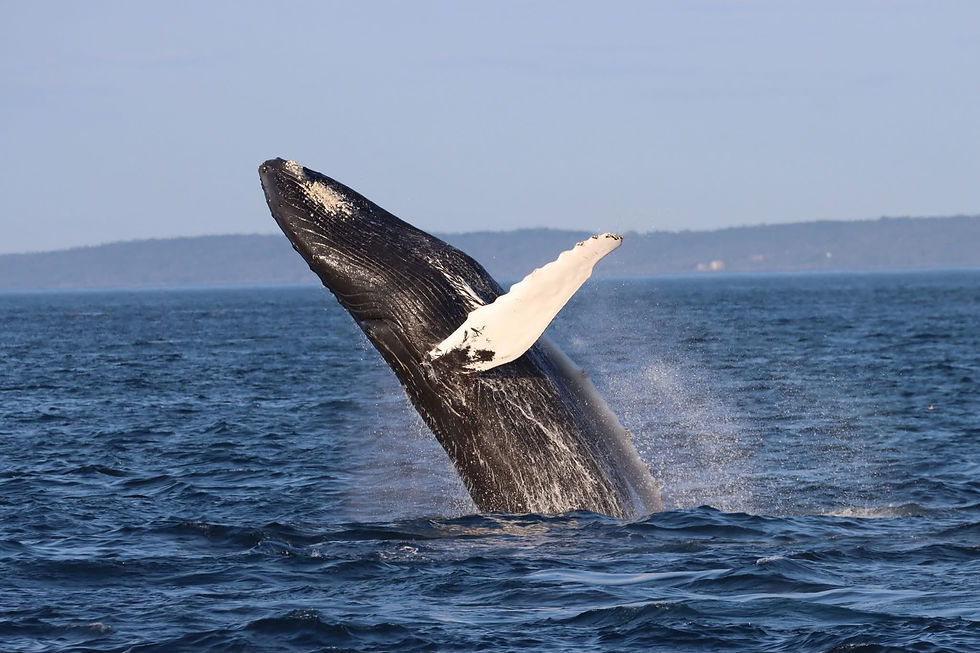
And if a humpback happens to surface beside the boat?
That's the memory you'll probably talk about long after you leave Nova Scotia.
Frequently Asked Questions
What is the best month for whale watching in Nova Scotia?
June through September are among the strongest months to consider. Tourism Nova Scotia currently identifies June through August as peak Bay of Fundy sighting months, while summer and early fall are broadly recommended for whale watching.
Is September a good month for whale watching in Nova Scotia?
Yes. September can offer continued whale-watching opportunities alongside quieter travel, coastal scenery and the beginning of fall conditions. Exact whale-watching schedules depend on the region and operator.
Can you go whale watching in October in Nova Scotia?
Yes, some operators continue into October, but availability becomes more limited and varies considerably by location and operator. Always check the current season schedule before booking.
Is July or August better for whale watching?
Both are strong summer choices. July and August offer extensive seasonal tourism services and strong whale-watching opportunities, but they are also among Nova Scotia's busiest tourism months.
When is the best time to see humpback whales in Nova Scotia?
Humpbacks are commonly associated with the summer whale-watching season. Around Brier Island, Tourism Nova Scotia notes that humpbacks return in June and become abundant later in June.
What is the best time for whale watching in Digby?
June through early fall is a strong period to consider. Tours around Digby Neck and Brier Island operate seasonally, with exact dates depending on the operator.
Is whale watching better in Digby or Cape Breton?
Both regions offer excellent opportunities, but they can suit different itineraries. Digby Neck and Brier Island are particularly attractive for Bay of Fundy-focused trips, while Cape Breton works naturally with a Cabot Trail itinerary.
How far in advance should I book whale watching?
During July and August, booking ahead is sensible because these are peak tourism months and popular whale-watching experiences can fill. Tourism Nova Scotia recommends advance reservations during the busiest period.
What happens if the weather is bad?
The operator determines whether conditions are suitable for departure. Always check the specific company's weather and cancellation policy before booking.
Can Safi Seaside Tours include whale watching in a private Nova Scotia itinerary?
Yes, whale watching can potentially be incorporated into a larger private Nova Scotia itinerary, subject to the season, operator availability, departure times and your preferred route.
Ready to Add Whale Watching to Your Nova Scotia Trip?
A whale-watching trip can be a standalone experience.
Or it can become part of something much bigger.
At Safi Seaside Tours, we believe Nova Scotia is best experienced when you have enough time to slow down, explore the coastline and connect different experiences rather than rushing from one attraction to another.
If whale watching is on your list, we can help you think about how it could fit into a wider Nova Scotia journey — from Halifax and Peggy's Cove to Lunenburg, the Annapolis Valley, Digby, Brier Island and the Bay of Fundy.
Your best trip isn't necessarily the busiest itinerary.
Sometimes it's the one that leaves enough room for the whale you never expected to see.


Comments